
Fibre-Cement SIP Panels/ Cement–particle boards: Strong, Durable, and Highly Efficient
We manufacture high-performance/ Cement–particle boards SIP panels featuring a rigid polyurethane (PUR/PIR) insulation core combined with a thermoset-bonded structural board. Both faces of the panel are reinforced with an integrated fibre-cement outer layer, providing exceptional durability, impact resistance, and long-term structural stability.
GDB Green SIP-Panel: Pioneering Sustainable Construction
We have established the joint Ukrainian–British enterprise, GDB Green SIP-Panel, driven by our commitment to fully green and sustainable production
Our order book from the GDB Green Energy Village programme now spans six countries — Kyrgyzstan, Kazakhstan, Uzbekistan, Azerbaijan, Georgia, and Turkey — with confirmed demand exceeding 18,000,000 m² of panels for the period 2026–2030.
Our SIP-panel production lines combine both standard and advanced fully automated systems. The technology enables the manufacturing of thin, lightweight yet exceptionally high-performance fibre-cement SIP panels, using a rigid PU/PIR insulating core and fibre-cement structural skins. The use of recycled and low-emission raw materials significantly improves environmental efficiency while maintaining top-tier thermal performance.
These panels achieve Passive House-level insulation values (R15), enabling reduced foundation load and lower construction costs — all without compromising structural integrity, fire resistance, or durability.
Attention! Please also review and apply the "Assumptions" used to adjust the Construction Protocol for the temperatures in Georgia!
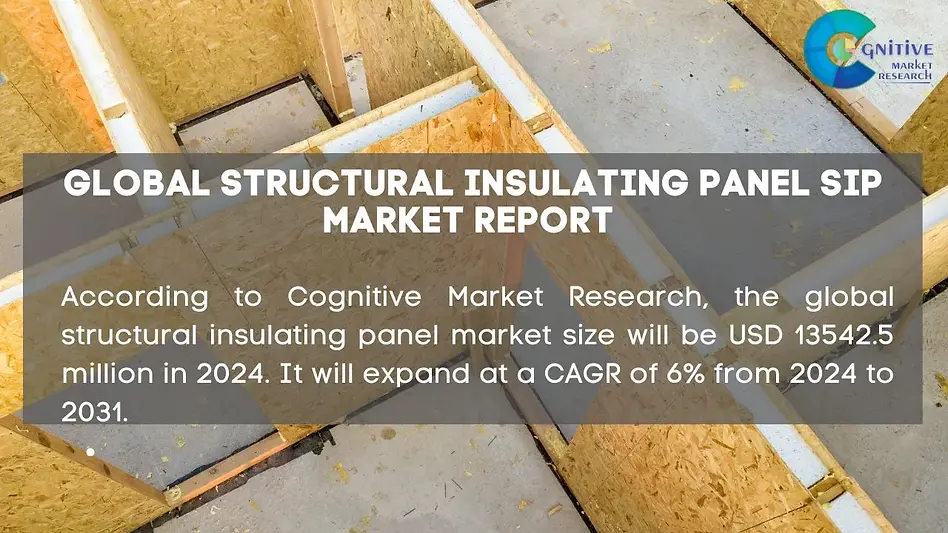
The market for SIP panels in Europe is showing steady and confident growth. According to one industry analytical report, the European Structural Insulated Panels (SIP) market reached approximately USD 4,062.8 million in 2024, with a projected compound annual growth rate (CAGR) of around 4.5% for the period 2024–2031, reflecting a strong and sustained demand for energy-efficient construction solutions.
Cognitive Market Research
Another analytical source provides a similar outlook, forecasting that the European SIP market will reach approximately USD 4.42 billion by 2028, with a higher CAGR of 7–8% in the preceding years, highlighting growing interest in panelised and modular construction technologies across the EU.
The United Kingdom, viewed separately, demonstrates particularly strong momentum: market assessments indicate a valuation of USD 682–930 million (2024–2028, depending on the study) with a projected CAGR in the range of ~5–8%. This growth is driven by tightening energy-efficiency regulations, government support for sustainable construction, and increasing demand for rapidly deployable residential and commercial buildings.
Key Growth Drivers and Market Prospects
-
Strict energy-efficiency and building decarbonisation requirements are accelerating the shift towards high-performance insulating structures. SIPs provide low U-values and help meet Passive House standards.
-
Rapid expansion of modular and prefabricated construction, along with the need to reduce on-site build times, enhances overall project cost-efficiency, as SIP components are factory-produced and assembled on site.
Cognitive Market Research -
Shorter project timelines and reduced labour demand help minimise risks of delays and rising labour costs on construction sites.
Why SIP Panels Are Often More Cost-Effective Than Concrete or Brick
-
Faster construction — assembling a SIP frame and envelope may take only a few days for a typical home, whereas brick or concrete construction can take weeks or months. This reduces overheads and site management costs.
-
Lower labour requirements — SIPs arrive ready-made and require a smaller workforce for installation, reducing labour expenses and reliance on specialised trades.
-
Superior energy efficiency and lower operating costs — SIPs provide excellent thermal performance (low U-values), lowering heating and cooling bills throughout the building’s lifespan. Over time, this often offsets the higher initial material cost.
-
Reduced waste and increased sustainability — factory fabrication produces far less on-site waste and allows precise material optimisation. Many manufacturers use eco-friendly insulators and certified timber.
-
Consistent quality and performance — controlled factory production reduces risks of defects, moisture issues, or thermal bridging that can occur in traditional masonry.
-
Competitive total project cost (“all-in”) — although SIP materials may sometimes cost more upfront, overall project expenses (shorter timelines, lower labour costs, reduced energy consumption) often make SIPs more economical across the building’s full life cycle.
Risks and Considerations
-
Requires careful project planning and well-designed connection details (joints, openings, vapour control).
-
Local regulations, fire-safety standards, and acoustic requirements may necessitate additional materials or solutions.
-
Major renovations or structural alterations in the future can be more complex than with traditional masonry.
Summary and Recommendations
The SIP market in Europe and the UK is expanding and is expected to continue growing steadily over the next 5–10 years, driven primarily by energy-efficiency legislation, the rise of prefabricated construction, and increasing interest in sustainable building solutions.
Cognitive Market Research
For private investors and developers, SIP construction often represents a more financially advantageous option when considering total project timelines, operational costs, and the long-term performance of the building.

Fibre-Cement SIP Panels
✔ Maximum energy efficiency
✔ Long service life
✔ Non-combustible and dimensionally stable
✔ Excellent moisture resistance and ideal for modular extensions
✔ Fast assembly and minimal load on foundations
Comparative Analysis of Construction Technologies for Passive House
Below is an analytical comparative table of construction technologies for Passive House-standard homes:
fibre-cement SIP panels vs monolithic reinforced concrete vs traditional OSB-SIP panels.


Summary
1) Fibre-Cement SIP Panels
The best option for Passive House construction:
✔ Maximum energy efficiency
✔ Long service life
✔ Non-combustible and dimensionally stable
✔ Excellent moisture resistance and ideal for modular extensions
✔ Fast assembly and minimal load on foundations
2) Monolithic Reinforced Concrete
✔ Durable and fire-safe
✘ Highest cost
✘ Longest construction time
✘ Requires substantial insulation to meet Passive House standards
3) Traditional OSB-SIP Panels
✔ Affordable and fast to build
✘ Combustible
✘ Moisture-sensitive
✘ Lower durability compared with fibre-cement SIPs

Traditional OSB-SIP Panels
✔ Affordable and fast to build
✘ Combustible
✘ Moisture-sensitive
✘ Lower durability compared with fibre-cement SIPs
Fibre Cement Panel with Polyurethane Insulation – 15 cm (R-5 for Georgia)
Price: USD 50 / m²
Composition / Layer Structure
1. External Layer (Facing Layer): Fibre cement board
-
Raw Materials: Cement, quartz sand, fibres, and other non-hazardous additives
-
Colour: Grey/ Other
-
Water Absorption: ≤ 25% (improved for exterior use)
2. Core Insulation Layer: Polyurethane foam (PU) – 150 mm
-
Thermal Conductivity λ ≤ 0.020 W/m·K
3. Optional Inner Layer: Thin fibre cement or decorative finish.
Physical & Mechanical Properties

Dimensions
-
Standard Sizes: 1220×2440 mm, 1200×2400 mm, 600×1200 mm, 600×600 mm, 595×595 mm
-
Maximum Length: 3050 mm
-
Total Thickness: 150 mm (PU core) + 3.5–25 mm (fibre cement layer)
-
Edge Types: Square, Recessed, Beveled, Tapered, Chamfered
Density of Fibre Cement Layer
-
Low Density: 1.1–1.3 g/cm³
-
Medium Density: 1.3–1.4 g/cm³
-
High Density: 1.4–1.6 g/cm³
Fire Resistance
-
Fibre cement layer fireproof at 800°C
-
PU insulation remains non-flammable at 1200°C when protected by cement layers
-
Overall: Non-combustible, Class A
Weather Resistance
-
Resistant to deformation in humid, hot, and dry conditions
-
Suitable for use down to -40°C
-
Dimensional change in humid/dry conditions: 0.26%
-
Improved exterior moisture resistance to protect PU core
Water & Moisture Resistance
-
Panel remains intact after 1 month immersion in water
-
No swelling or deformation occurs
-
Resistant to long-term freeze-thaw cycles
Insect & Fungi Resistance
-
Tested according to ASTM G-21
-
Does not support mould growth, fungal growth, or insect infestation
Insulation & Acoustic Performance
-
Sound insulation: 44–47 dB (tested by NFTC)
-
Thermal resistance: R ≈ 7.5 m²·K/W (PU core 150 mm, λ ≤ 0.020 W/m·K)
-
Excellent thermal insulation for Passive House
Environmental Safety
-
Fibre cement layer made from mineral components
-
PU core eco-friendly, free of toxic substances, asbestos, formaldehyde, or ammonia
-
Safe for indoor and outdoor use


About the Passive House Standard:
Passive House (Passivhaus) is a rigorous, voluntary standard for energy efficiency in buildings. It results in ultra-low energy consumption for heating and cooling while maintaining exceptional comfort. Our panels are engineered to meet these requirements, ensuring optimal thermal performance and sustainability.
Fibre-Cement Panels: Proven Non-Combustibility
Fibre-cement panels are classified as fully non-combustible, making them one of the safest cladding and construction materials available. During fire-exposure tests, the panels do not ignite, do not produce flames, and do not contribute to fire spread.
Even under direct, high-temperature flame, the material retains its structural integrity, demonstrating exceptional resistance in accordance with Class A fire-safety standards.
This level of performance ensures a significantly safer building envelope, providing homeowners and developers with confidence, reliability, and long-term protection.


Our Collaboration Approach
Whether you are a small, medium, or large-scale manufacturer, we provide personalised guidance, technology, and turnkey projects to help you start a business with us.
Receive up to 80% of construction materials on deferred payment, transported via green logistics from the Port of Poti at just USD 50/m² with a 30% advance through a letter of credit.
Pathihouse-ის სტანდარტით აშენებული კერძო სახლები
ჩვენ გთავაზობთ უნიკალურ პროექტს, რომელიც პირველივე წუთიდან თქვენი კომფორტისთვისაა შექმნილი: თქვენ შეგიძლიათ აირჩიოთ ენერგოეფექტური კერძო სახლის დაქირავება ან შეძენა, რომელიც აშენებულია Pathihouse სტანდარტით და შეესაბამება SEG (Smart Energy Grid) პროგრამას.
ნებისმიერ შემთხვევაში, თქვენ გაცილებით მეტს მიიღებთ! თქვენ შეძლებთ ზედმეტი ენერგიის გაყიდვას CLASSO Mobile დამტენ სადგურებზე და შემოსავლის გენერირებას, თქვენი პირადი ელექტრომობილის სახლში დატენვას და სრული ენერგოავტონომიით სარგებლობას.


Pathihouse-ის სტანდარტით აშენებული კერძო სახლები
ჩვენ გთავაზობთ უნიკალურ პროექტს, რომელიც პირველივე წუთიდან თქვენი კომფორტისთვისაა შექმნილი: თქვენ შეგიძლიათ აირჩიოთ ენერგოეფექტური კერძო სახლის დაქირავება ან შეძენა, რომელიც აშენებულია Pathihouse სტანდარტით და შეესაბამება SEG (Smart Energy Grid) პროგრამას.
ნებისმიერ შემთხვევაში, თქვენ გაცილებით მეტს მიიღებთ! თქვენ შეძლებთ ზედმეტი ენერგიის გაყიდვას CLASSO Mobile დამტენ სადგურებზე და შემოსავლის გენერირებას, თქვენი პირადი ელექტრომობილის სახლში დატენვას და სრული ენერგოავტონომიით სარგებლობას.

Precision Manufacturing of Fibre-Cement Insulated Panels
Each of our fibre-cement insulated panels features a high-performance polyurethane (PU) core securely bonded to rigid fibre-cement boards on both sides.
This intricate process requires careful selection of adhesives, precise application techniques, and controlled curing conditions, ensuring a durable, long-lasting panel that meets the highest industry standards. With our expertise, every batch achieves premium quality, delivering exceptional performance and building customer satisfaction and trust.

SIP Panel House Design
We can offer our architectural design services and provide innovative, bespoke solutions for all SIP-panel buildings.
Our service is included and covered within the turnkey price (200 USD/m²), and comprises:
-
Initial design concepts
-
Design revisions
-
Final design drawings
-
External design
-
Interior design
-
Electrical layouts
-
Services plans
-
Building regulations drawings
-
Planning application drawings
-
Full working drawings
So whether you are simply looking for a SIPs kit or a complete turnkey design service, please get in touch to discuss your requirements.

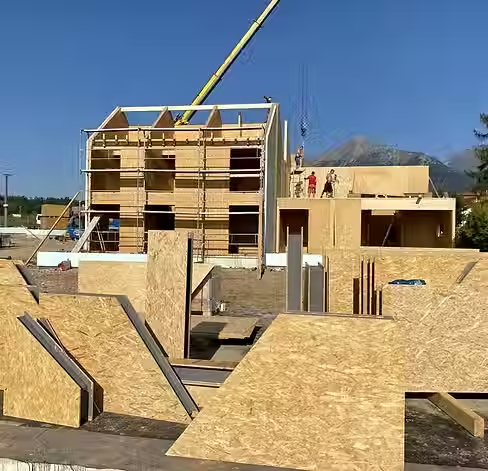
DESIGN AND ASSEMBLY OF SIP PANELS
We are also specialists in the design and construction of SIP panel homes and commercial buildings. Our experienced team includes architects, designers, structural engineers, planning consultants, and construction managers. When engaging our team for your project, the labour cost (excluding materials) is USD 200 per m², including delivery of panels to the construction site and rental of the necessary equipment.


If you so choose, “Income House” can undertake the design and construction of private residential buildings and commercial properties using SIP Panels, built to Passive House Standard. The cost is calculated at USD 200 per m² on a turnkey basis, excluding the cost of materials, and includes full design services or any required design amendments.
In this arrangement, you may also be eligible to participate in a commercial leasing scheme with a 30% initial deposit and an instalment plan ranging from 12 to 24 months.
Construction of a House Using XPS‑Graphite SIP Panels, Passive House Standard, in Compliance with the Passive House Protocol
Experience the construction of a high-performance home using SIP Panels, built to the Passive House Standard. Every step follows the Passive House Protocol, ensuring maximum energy efficiency, comfort, and sustainability. From foundation to finished façade, the process is meticulously planned and executed, combining innovative materials with precise construction techniques.




The “Income House” Project
In October, we welcomed a new partnership with Income House — a striking example of how three small construction companies in Georgia, discovered through Facebook, united under a shared vision and secured a 6-hectare plot of land for the first stage of the project bearing the same name.
This collaboration demonstrates how talented people can form cooperatives and become partners based on shared values and goals. By combining their collective expertise and a common mission, the Income House project highlights the strength of partnership in creating sustainable, community-focused developments.
The “Income House” Project:


დამატებითი აღჭურვილობა თქვენი სახლისთვის
Our home is built from SIP Panels, meeting the Passive House Standard. Designed with energy efficiency and comfort in mind, it allows you to reduce energy costs while enjoying a sustainable, modern living space. Modular and flexible, the home can be expanded like a LEGO set, and comes complete with a solar power station and EV charging station, offering additional income opportunities.

Инженерные сооружения

We supply fully pre-assembled homes of 50 m², constructed using SIP Panels to Passive House Standard with an R-value of ≥15. Each home comes with a detailed assembly protocol and a full video installation guide.
A home includes a solar power system and a MIDA 22 kW charging station, enabling you to earn USD 0.05 per kWh every time you charge your electric vehicle. If required, our specialists can also provide supervised assembly (installation oversight).
Cost of the home: USD 1,000 per m².
The home may be purchased through a 24-month commercial leasing arrangement with a 30% advance payment. Interest rate: 0%.
Delivery terms: FOB, Port of Poti.
Delivery time: 30 days from receipt of the advance payment (letter of credit / bank guarantee), Bank of Georgia.
Insurance: 2% (installation), 2% (property insurance).


Construction of commercial buildings using SIP Panels, Passive House Standard
Commercial SIP Building Projects — Build with Our Proprietary Protocol
Select the commercial SIP building project you need, constructed using our proprietary Construction Protocol and Commercial Leasing Program:
-
30% down payment;
-
Ownership of a building plot required;
-
Insurance (construction): 2%;
-
Insurance (property): 2%;
-
24-month instalments, interest rate 5%.
This approach allows you to benefit from:
-
A solar energy system under the SEG Programme (35 kW / 500 kW);
-
Additional advantages that help deliver your project with lower costs.
By combining energy-efficient construction with well-designed incentives, you enhance the appeal and marketabilityof your property while ensuring long-term sustainability.


Today, the construction of private homes and commercial buildings using SIP panels offers a range of advantages, perfectly tailored to the requirements of your projects. Their sleek and attractive exterior design enhances the aesthetic appeal of a house or shopping centre, while the vertical installation creates an impression of grandeur.
In addition to their visual appeal, the panels provide excellent thermal insulation, ensuring a comfortable and energy-efficient interior. Only under these conditions will we include a solar power station for FREE as part of the SEG Programme.


Earn with CLASSO Mobile Charge
Join the CLASSO Mobile Charge network — with home (22 kW) and public (120 kW / 600 kW) charging stations. Lease your station, connect via the CLASSO Mobile Charge App, and earn USD 0.05 per kWh when charging your EV or providing charging services to others. Smart energy. Real income.


Advance payment:
USD 5,000
Advance payment: USD 400

Advance payment: from USD 7,000